Getting Solder Off Smartphone PCBs Without Killing the Board
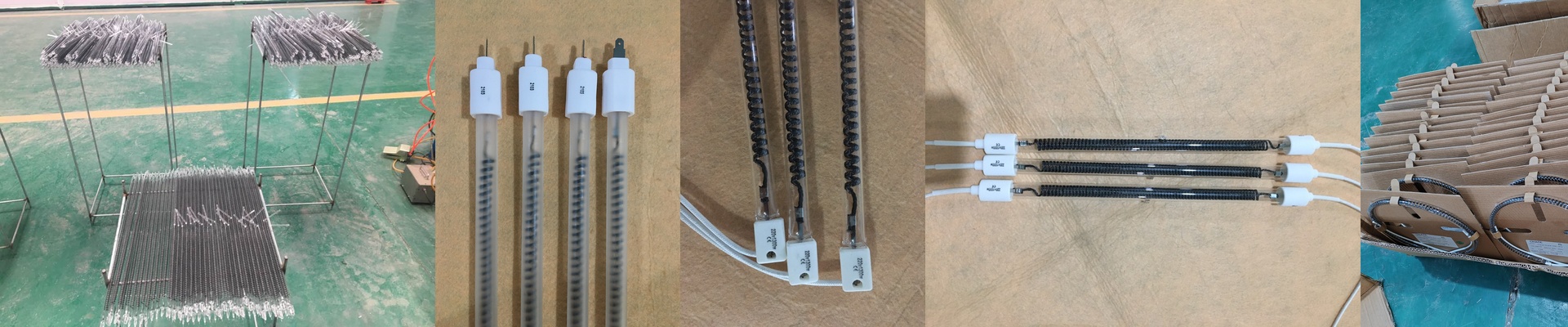
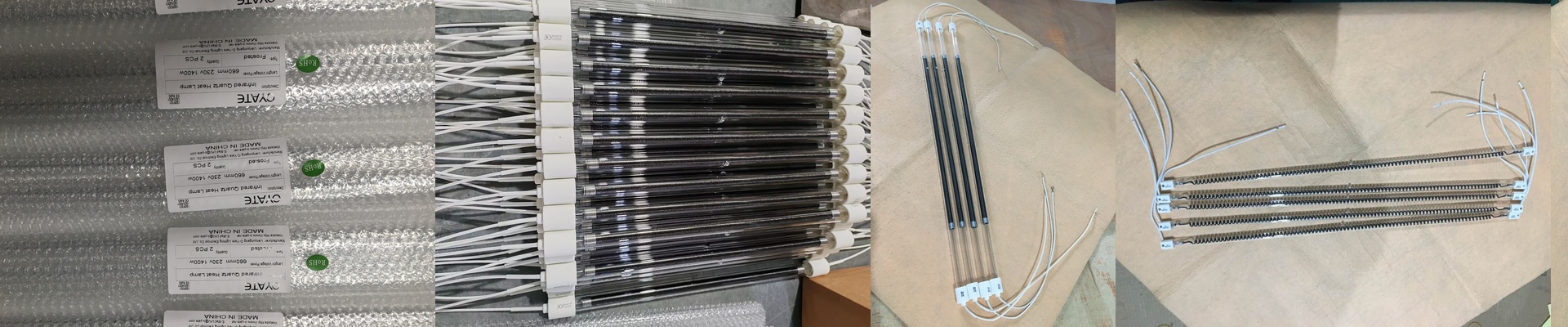
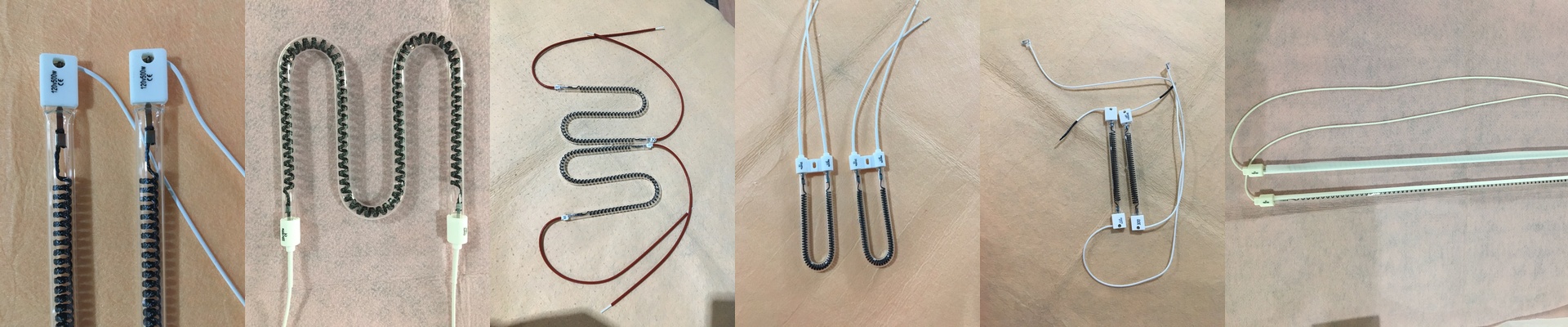
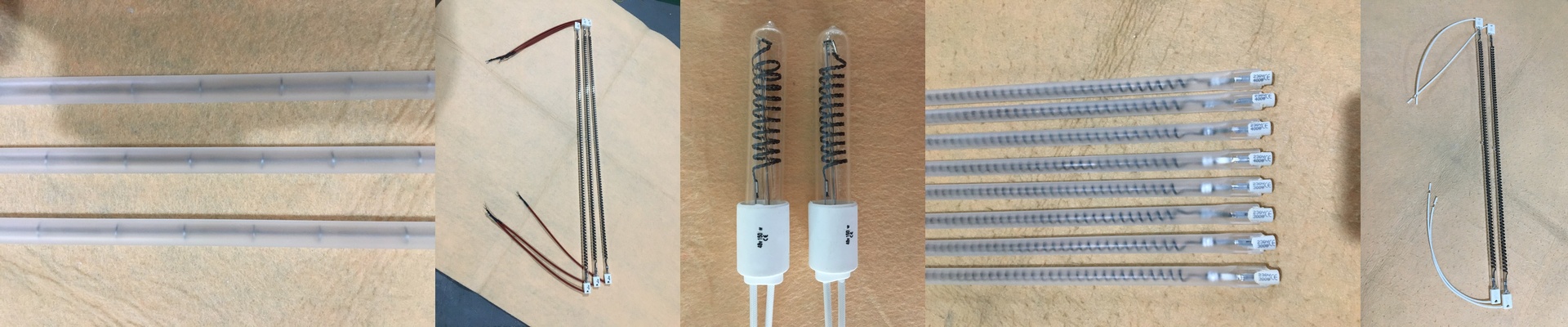
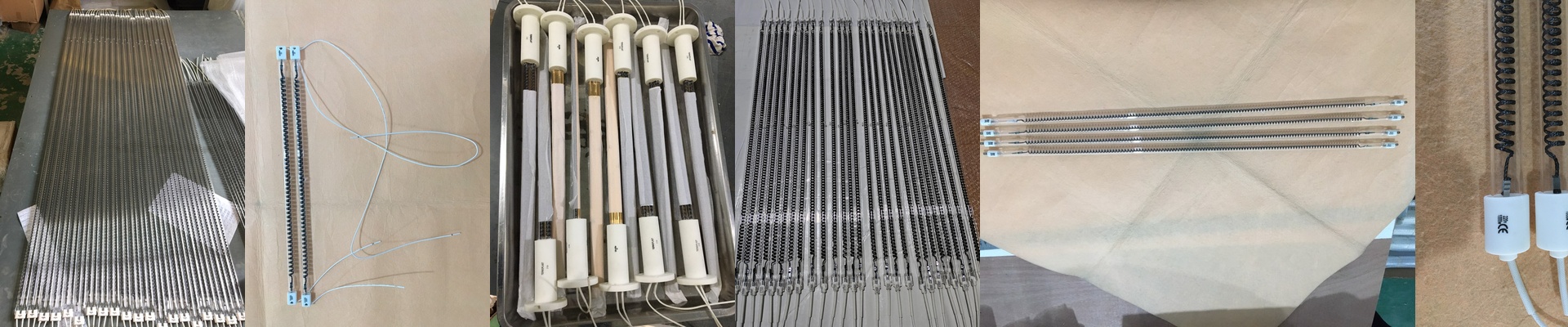
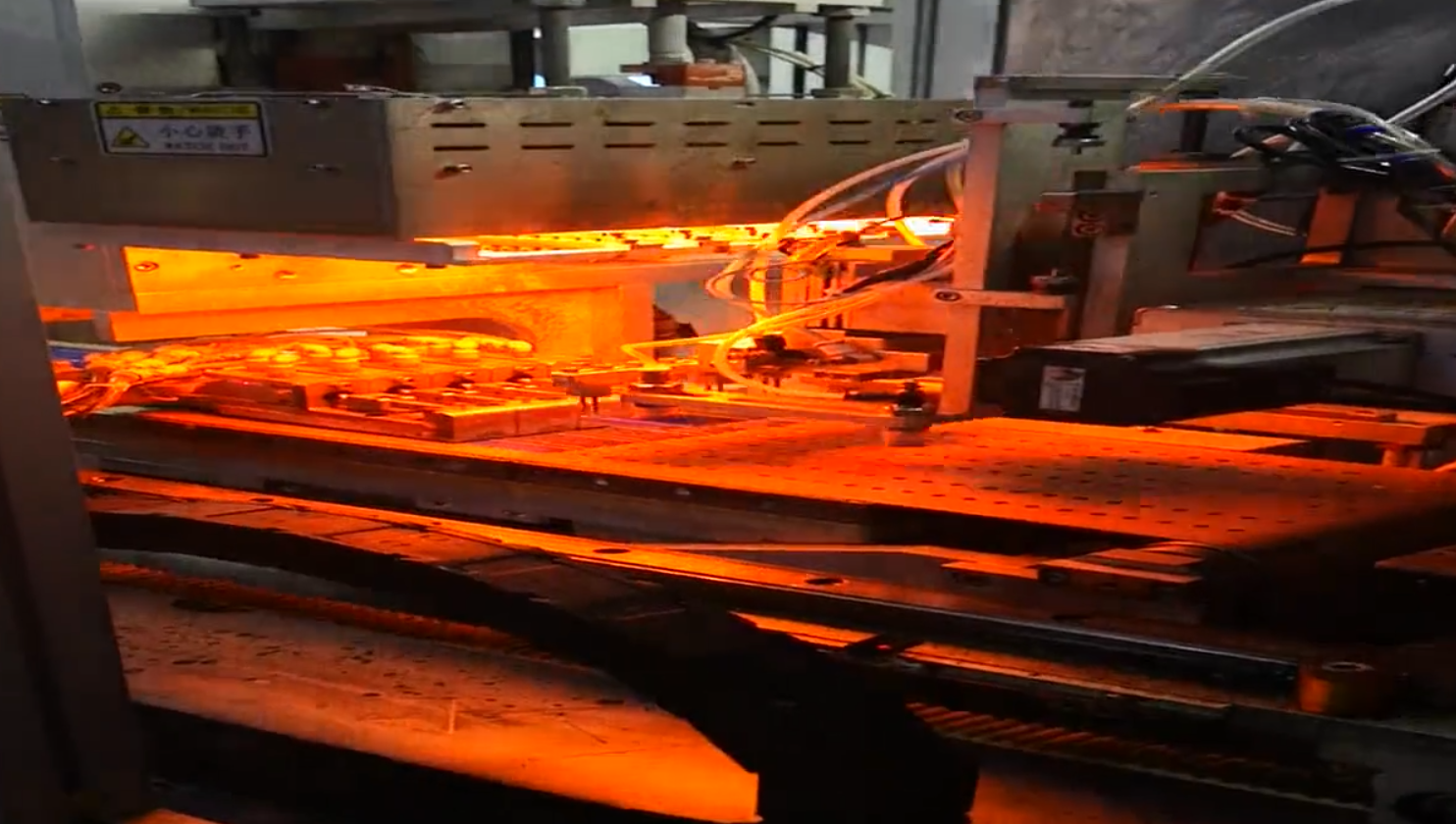
When you’re digging into a smartphone repair, you’ve got a huge problem: space. Everything is packed in tight. If you just blast the whole motherboard with heat, you’re going to pop a capacitor or fry a chip you weren’t even touching. It’s a nightmare. That’s why we use short-wave infrared (IR) lamps. Instead of heating the whole room, these target the solder joints specifically. You get the heat exactly where you need it, and the rest of the board stays safe. The trick with voltage and heat Here’s the thing about these lamps: you can’t just jam power into them. We balance the voltage and wattage carefully so the filament doesn’t just snap the moment you start cycling the power. The goal is high intensity in a tiny spot. You want to hit that 217°C mark—the sweet spot for lead-free solder—in a matter of seconds. But be careful. If you crank the wattage without a PID controller to keep things steady, you’ll end up warping the PCB. And nobody wants a bent motherboard. Why the glass actually matters We use high-purity quartz glass for a reason. These lamps go from room temperature to 600°C in a blink. Normal glass would just shatter from the shock. Inside the tube, there’s a halogen cycle that stops the filament from thinning out. This means your heat stays consistent for thousands of hours. You aren’t guessing if the lamp is “weak” today; it just works. Plus, some of our tubes have a special coating. It shifts the IR spectrum so the energy hits the solder paste, not the plastic parts of the phone. Setting it up (and a warning) We stick with R7s or similar snap-in connectors. It makes life way easier. When a tube finally gives out, you just pop it out and snap a new one in. No rewiring, no headache. But wait—there’s one catch. High-wattage IR lamps put out a lot of waste heat. If you’re running these in a closed box without any airflow, the air inside just gets hotter and hotter. Eventually, you lose all your precision. The ambient temp creeps up, the board overheats, and suddenly you’re damaging chips. **Make sure your station is vented.**Trust me on this one.