From Fixing Watches to Building Quantum Chips: The Magic of IR Heating
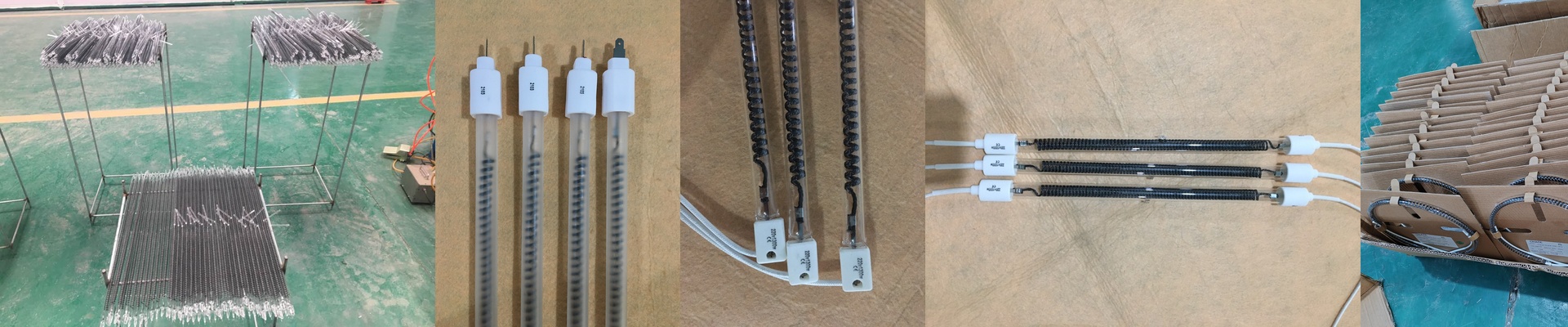
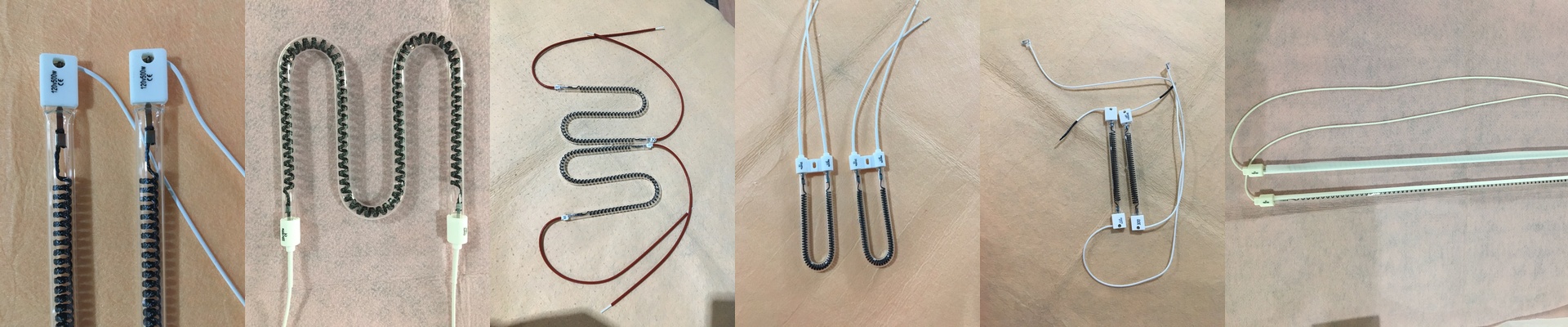
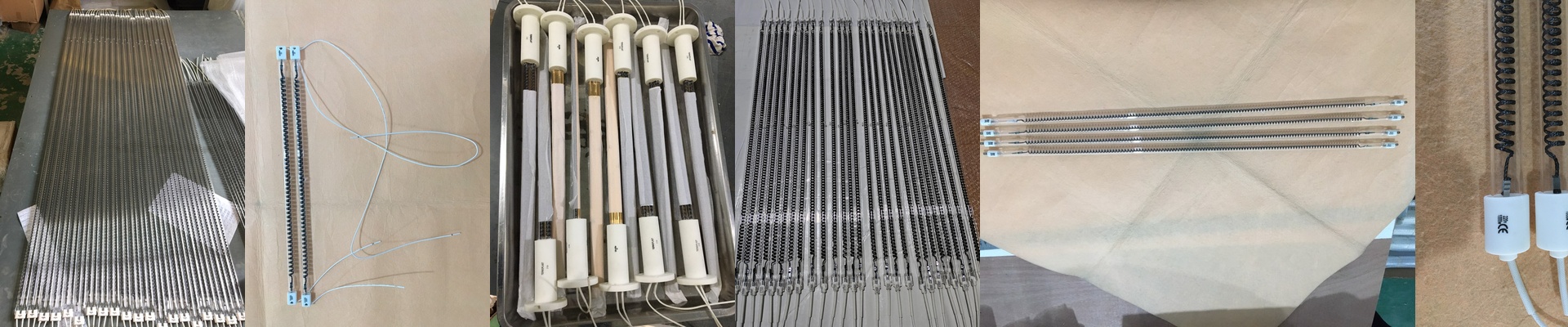
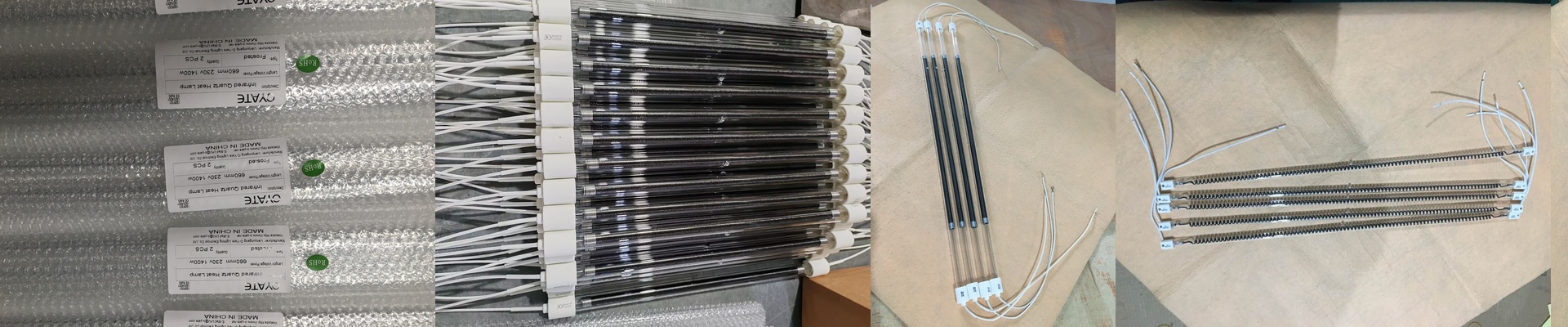
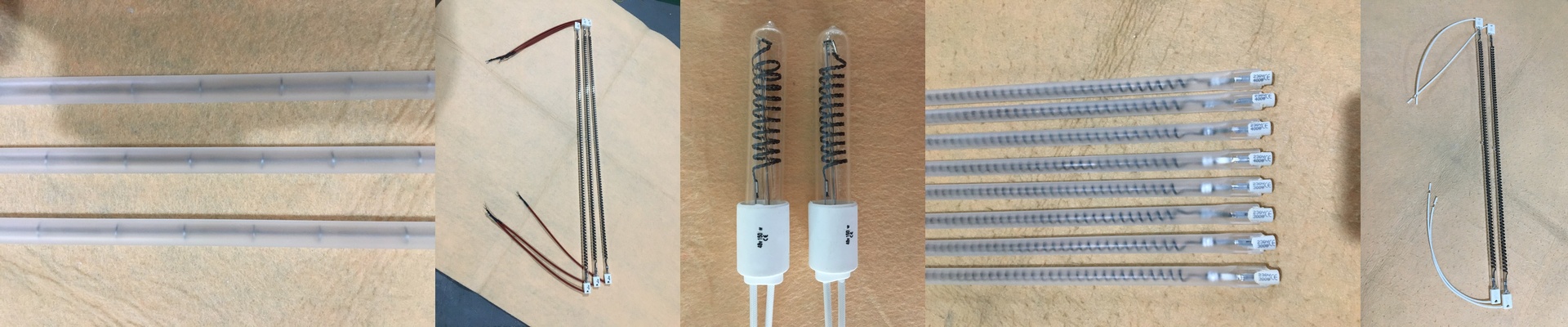
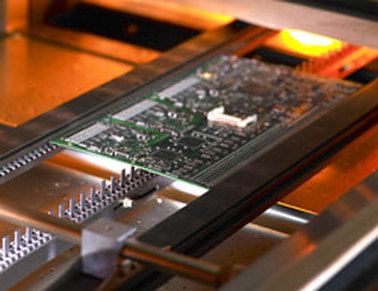
Whether you’re trying to peel a stubborn screen off a smartwatch or you’re deep in the weeds of quantum chip fabrication, you’re basically dealing with the same problem: you need heat, but you need it to be precise. That’s where infrared (IR) lamps come in. It’s all about using targeted radiation to get the job done without ruining everything else around it. Getting the heat where it actually belongs In the world of quantum chips, just “making it hot” isn’t enough. You need a specific wavelength. We lean on shortwave IR because it actually sinks deep into the material. It hits the core of the component without torching the surface. When we’re picking out lamps, we obsess over the wattage-to-length ratio. Why? Because high power density means you can ramp up the heat in seconds. It’s fast. Really fast. And that’s a lifesaver because it keeps the heat from bleeding into the sensitive circuits nearby. The gear that makes it work We use high-purity quartz for the lamp envelopes. If you used cheap glass, the rapid temperature swings would just crack the thing. For the connections, we stick to R7s or Sk15 bases. They aren’t fancy, but they’re reliable. They keep the electrical contact tight so you don’t have to worry about arcing or burnouts when the current gets heavy. Some of our tubes even have special coatings. It’s a neat trick that lets us tune the heat to match exactly how a specific material absorbs energy. Real-world trade-offs These lamps are incredibly versatile. You can toss one into a repair station for a quick screen removal or bake them into a clean-room setup for chip annealing. But here’s the thing: high-intensity IR puts out a lot of heat. If you’re cramming a high-wattage tube into a tight space, your cooling system needs to be up to the task. If your ventilation decides to quit on you, you’re not fixing your components anymore—you’re warping them.