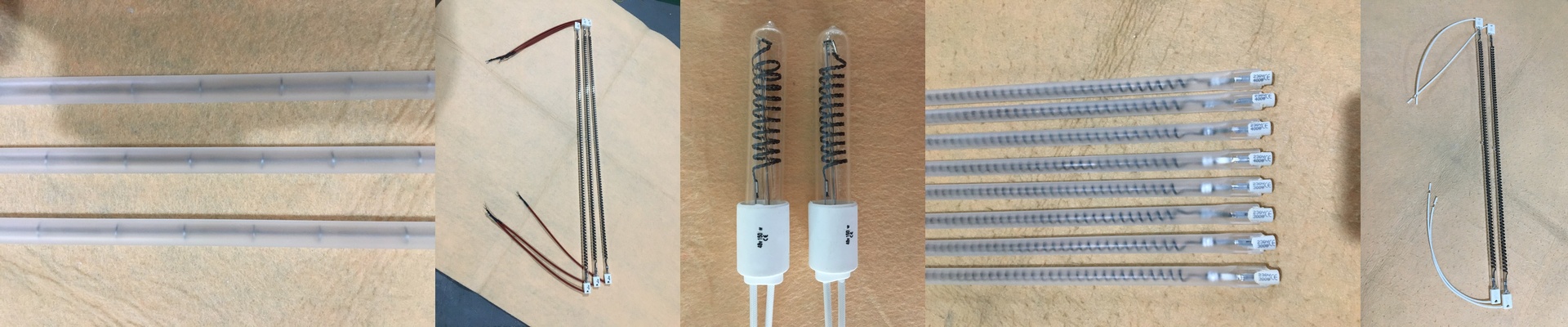
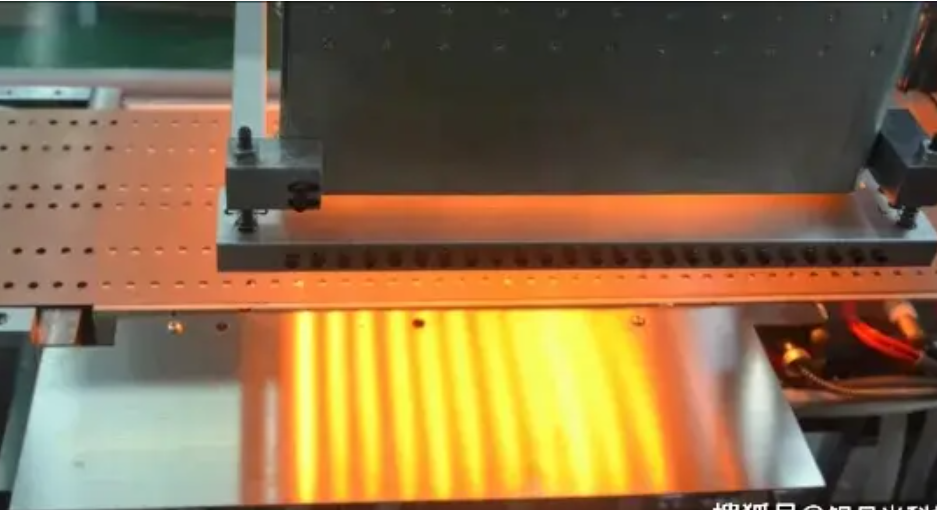
Why IR Beats Hot Air for BGA Packaging
If you’ve ever worked with Ball Grid Array (BGA) components, you know the struggle. You aren’t just heating a flat surface. You’re trying to get heat deep inside, right down to those tiny solder balls hiding under the silicon die. This is exactly where standard hot air starts to fall apart, and infrared (IR) radiation steps in.
The problem with blowing hot air
Think about how hot air works. It’s convection. The air hits the top of the chip first. But since the BGA package is basically a thermal shield, that heat has to wrap around the edges just to reach the solder joints. It’s a mess. You end up with a huge temperature gap between the top of the chip and the bottom. IR is a different beast. It uses electromagnetic radiation that actually penetrates the package materials. Instead of waiting for heat to slowly soak through the plastic from the outside in, the photons jump straight in and get the molecules vibrating. The result? The solder balls heat up at the same time as the package. No waiting around.
What this actually does for your yield
When you rely on forced air, you’re playing a risky game. You might deal with “popcorning” or uneven reflow. If the top gets scorching hot before the bottom even melts, you’re looking at warped boards or bridged joints. Not a great way to spend a Tuesday. IR gives you a volumetric heat source. It hits the target faster. Plus, it’s a lifesaver for high-density assemblies. You can ramp up the temperature without blasting the board with high-velocity air that might knock your tiny SMD components right off their pads.
The catch
Now, IR isn’t a magic wand. It’s picky about surface emissivity. If your board has a reflective solder mask, the IR energy just bounces off like a mirror instead of soaking in. You have to be smart about your wavelength—picking shortwave or medium-wave to match your materials. If you get that wrong, you’ll end up with cold spots, and you’re right back where you started.