Using Custom IR Lamps to Put Automotive Electronics Through Hell
If you’ve ever looked under the hood of a car, you know it’s a nightmare for electronics. Between the engine heat and the crazy temperature swings, ECUs and sensors are basically fighting for their lives. To make sure these parts don’t just quit on a customer halfway through a road trip, we use custom shortwave infrared (IR) lamps. It’s essentially a way to simulate that brutal heat in a controlled environment.
Why a “warm oven” isn’t enough
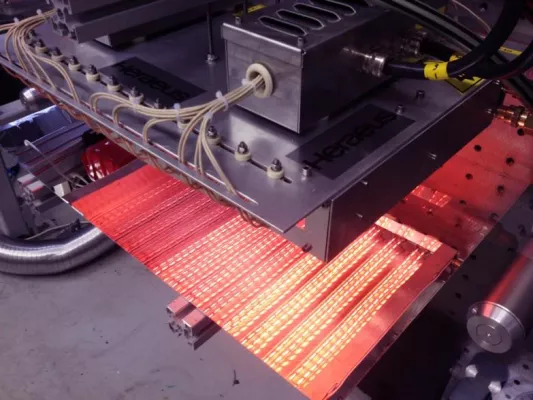
Here’s the thing: if you just put a component in a warm chamber, you’re not really testing it. You needheat density. We design these lamps to blast concentrated radiant energy right through the casing of the part. By tweaking the wattage and voltage, we can make the temperature spike fast. That rapid ramp-up is where the magic happens. It puts massive stress on solder joints and semiconductor packaging. It finds those hidden flaws—the kind of defects that a slow-soak oven would completely miss.
The nuts and bolts of the design
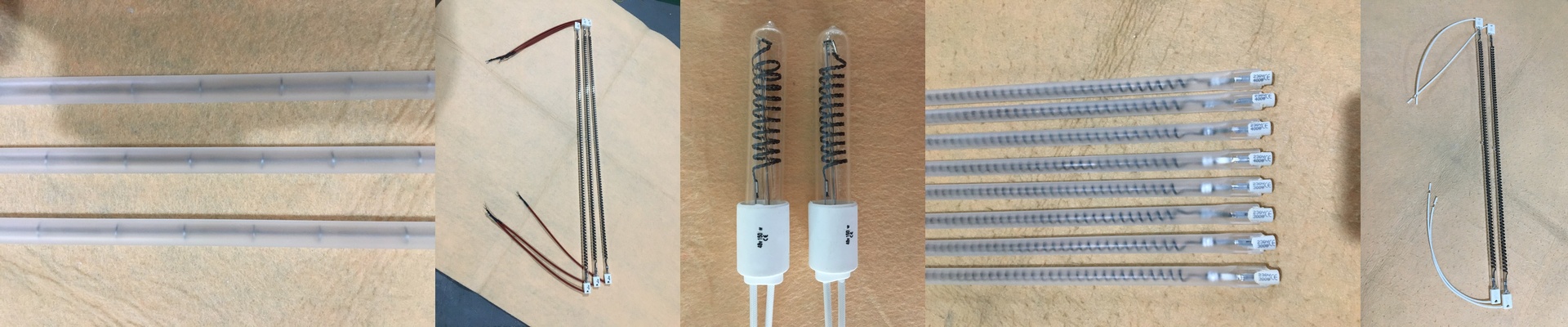
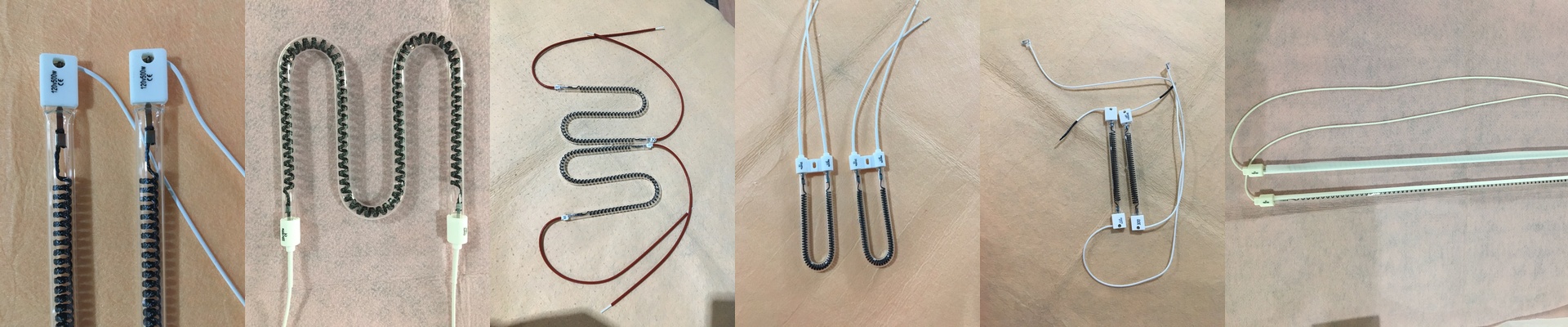
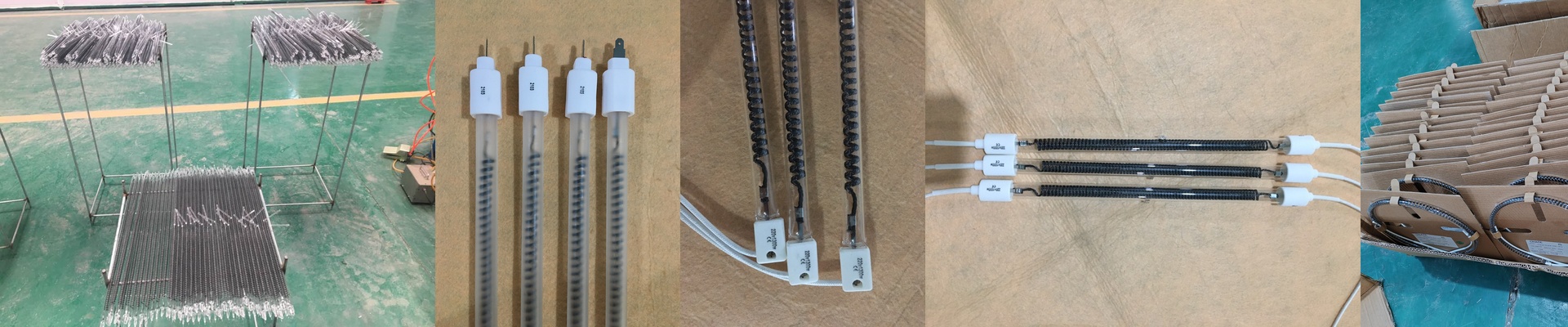
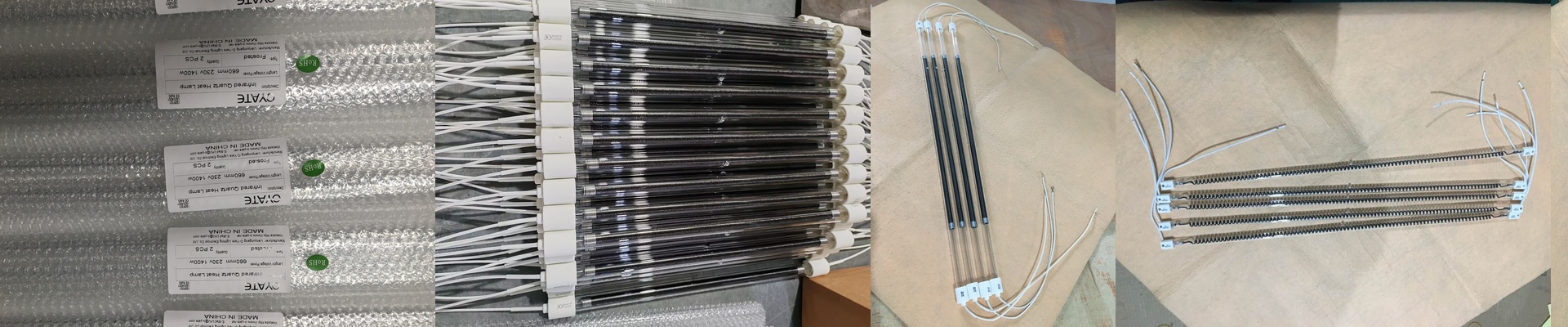
We don’t use cheap glass here. We build these tubes with high-purity quartz and fill them with halogen gas. That’s the only way to push the temperature that high without the filament just giving up. When it comes to the plugs, we usually go with R7s or Sk15 connectors. They aren’t fancy, but they’re rock solid. You can’t have a connection arcing or wiggling loose just because the metal is expanding from the heat. And if your test environment is a bit messy—maybe there’s a risk of splashes or debris—we can coat the quartz. This also lets us shift the emission spectrum to hit specific materials more effectively.
The trade-offs (because there’s always a catch)
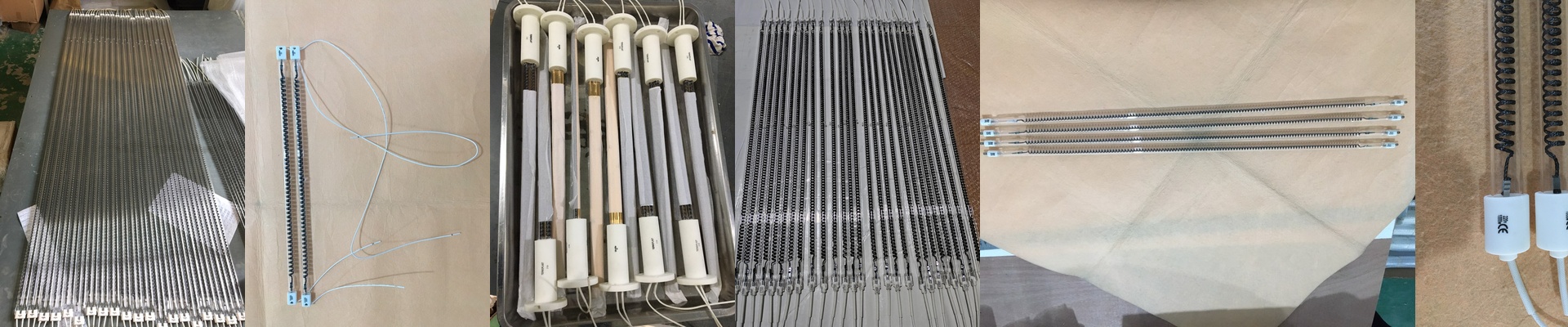
High-wattage IR lamps are powerful, but they’re hungry. If you’re running a bank of 2000W tubes, your power supply is going to feel it. Plus, these things put off an incredible amount of heat around the housing itself. If your ventilation is lazy, the lamps will burn out way too fast. You’ve got to spec your cooling and wiring to handle the load. The good news? We can customize the length and power to fit whatever space you’ve already got. Whether you’re swapping out old, tired lamps in an existing rig or building a brand-new simulation chamber from scratch, they just slide right in.