Making SMT Infrared Heating Actually Smart
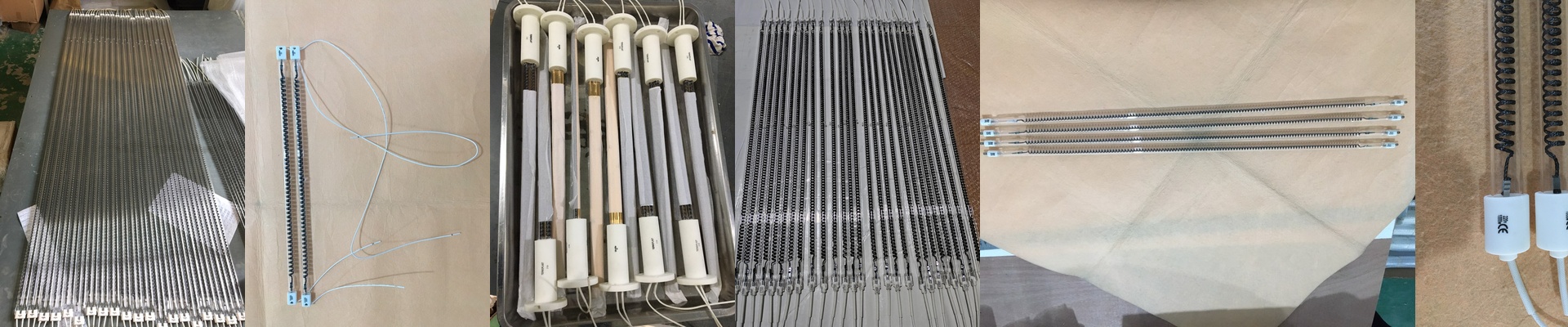
Most IR lamps in SMT repair stations are pretty basic. They take power, get hot, and eventually burn out. That’s it. But we’re starting to see a move toward lamps that actually “talk” back—heaters packed with IoT sensors that tell you exactly what’s happening in real-time.
Stop Guessing the Temperature
Right now, most of us rely on external thermocouples to guess how hot the board is getting. The problem? There’s a lag. It’s not instant. By putting sensors right into the lamp housing or using smart power controllers, the heater can tell you its own output and how the filament is holding up. You get a live feed of the wattage and how the heat is actually spreading. It takes the guesswork out of the equation. You don’t have to swap tubes just because the calendar says it’s time. You swap them when the data shows the heat is actually dropping.It’s just simpler.
The Messy Part: Physics
Here is the thing: putting electronics inside a furnace is a nightmare. Sensors melt if they touch a quartz envelope. To make this work, we have to use remote sensing or heavy-duty shielded cabling to get the data out without frying the electronics. Also, these sensors take up space. You can’t always just pop a “smart” lamp into an old socket and call it a day. You’ve got to check your clearance. If your SMT line is already cramped, you might find yourself needing a custom bracket just to handle the extra wiring.
Why This Actually Matters on the Floor
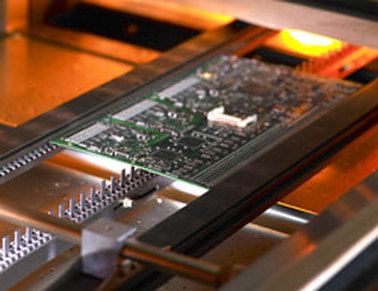
At the end of the day, this is about stopping the scrap pile from growing. When a lamp starts to drift, you get uneven heat. That leads to warped boards or cold solder joints—the kind of mistakes that make you want to put your head in your hands. A lamp that talks to you warns the operator before the part is ruined. It turns a blind process into something you can actually control. If you’re working with high-density electronics where every millimeter counts, this is really the only way to keep things tight.