Getting the Heat Right for Smartwatch Repair
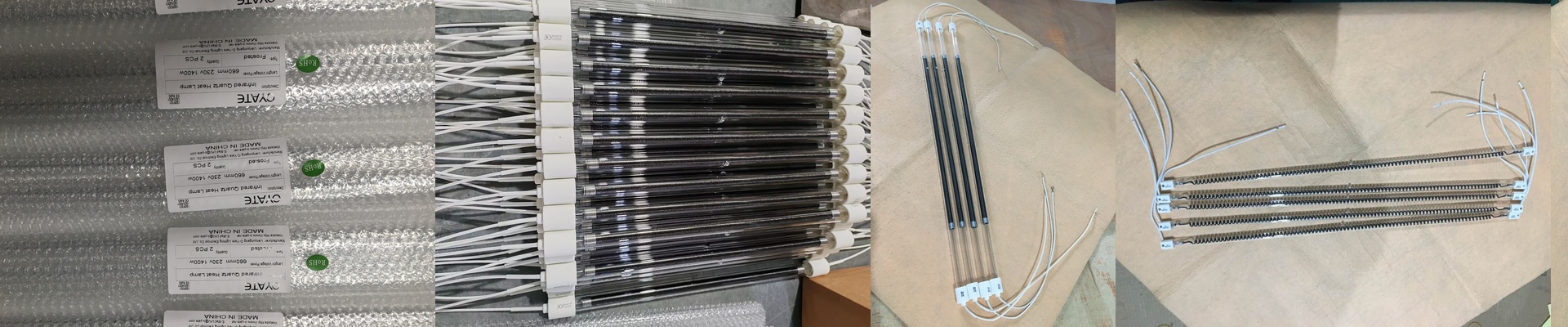
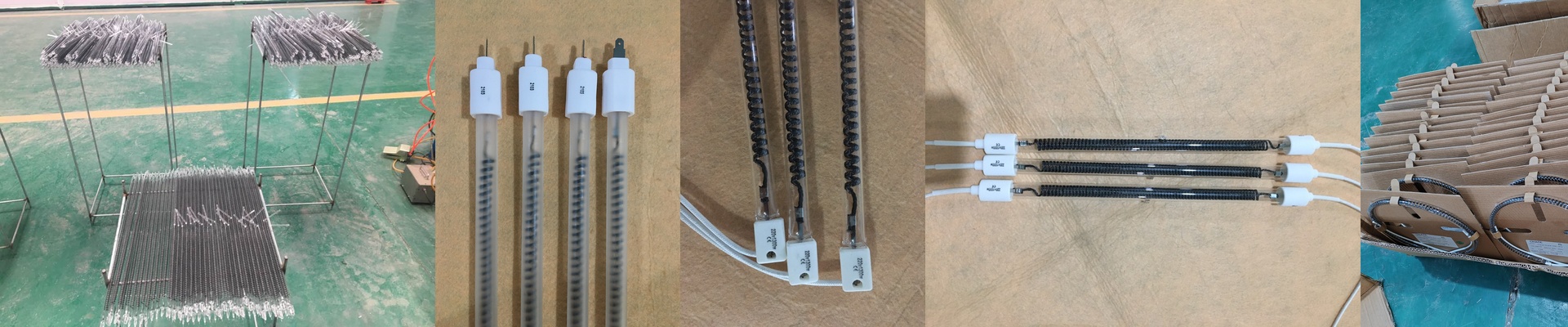
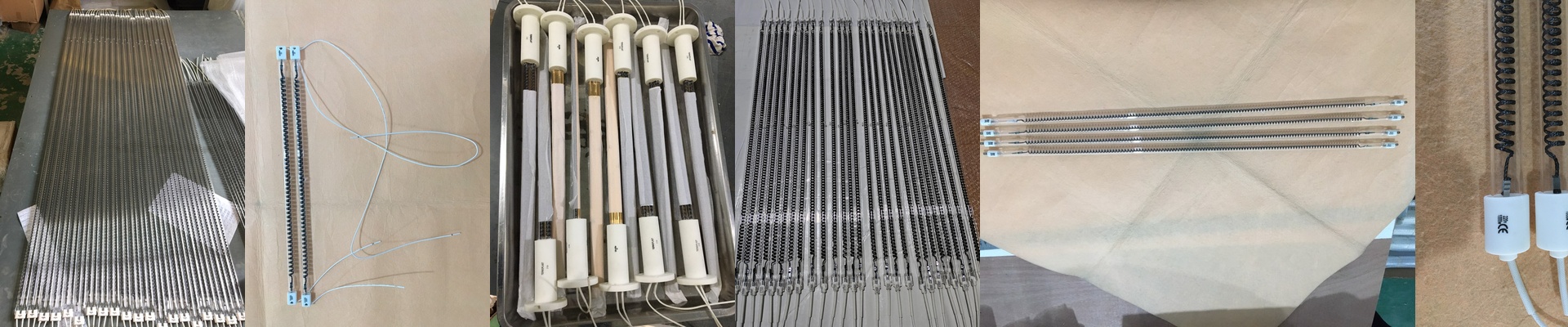
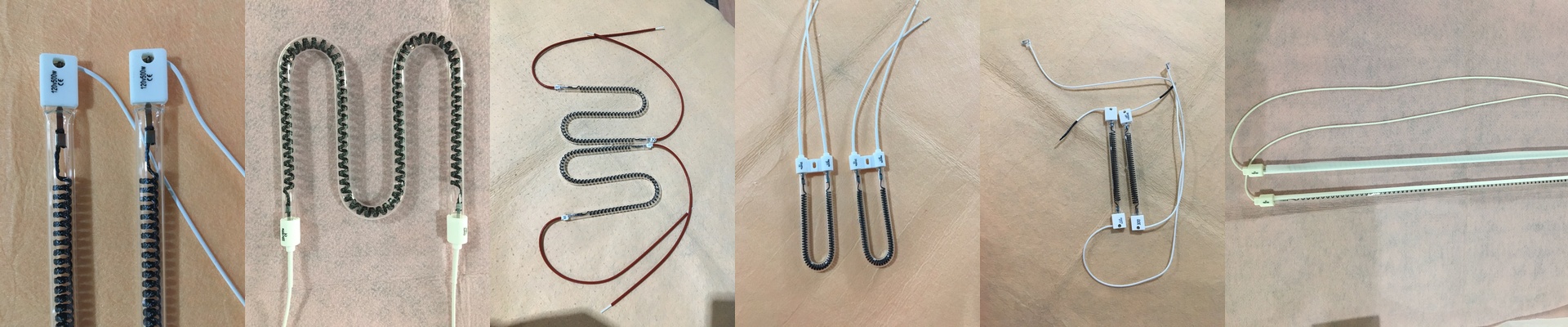
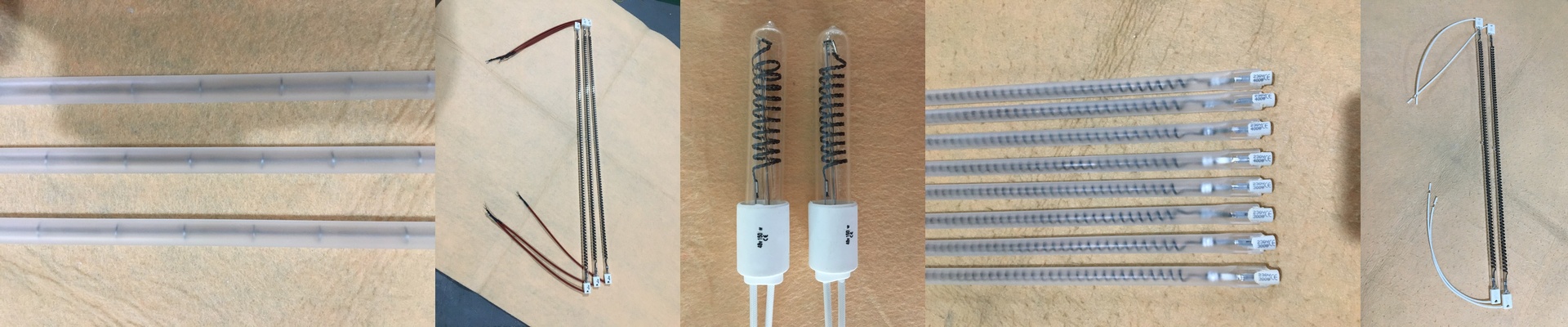
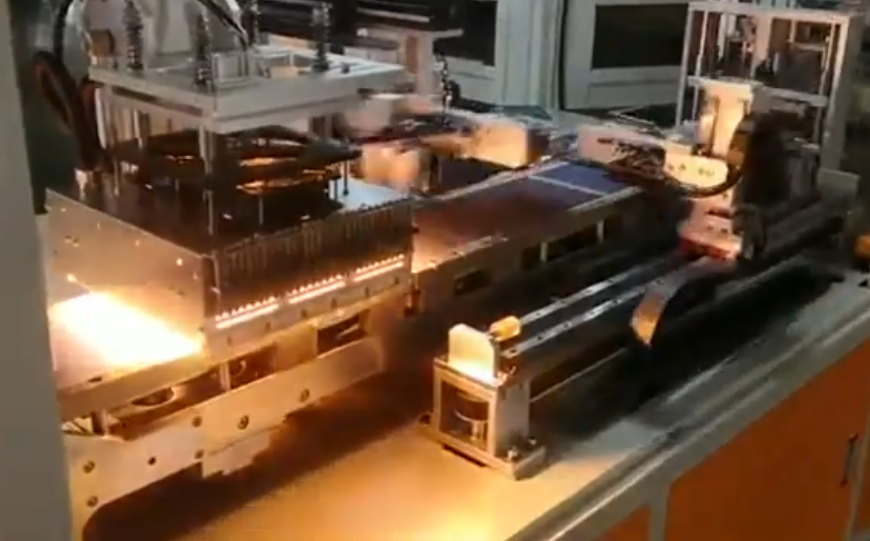
If you’ve ever tried to open a smartwatch, you know the struggle. You need enough heat to soften those stubborn adhesives or pop off a micro-component, but if you overdo it, you’ve just fried the motherboard. That’s why we do things differently with shortwave infrared (IR) lamps. Think about the old hot air guns. They’re risky. One wrong gust of air and you’ve accidentally blown a tiny capacitor right off the board. IR lamps don’t do that. They send radiant energy straight to the surface you’re targeting. No blowing things away, just precise heat where you actually need it. The balance of power We’ve tuned these lamps to hit that sweet spot: they warm up fast, but they stay stable. Using high-wattage quartz tubes means you can hit the temperature needed to melt adhesives in a matter of seconds. But here’s a tip: keep an eye on your power supply. If you try to “overdrive” the tube just to shave off a few more seconds, you’re going to burn out the filament. It’s a classic trade-off. You can push for raw speed, or you can play it smart and make your equipment last. The gear inside We use high-purity quartz glass because it lets the IR energy through without blocking it. Since these are halogen-filled, they focus on a shortwave band. In plain English? It sinks into the glue much better than standard heat does. We also know you probably already have a setup. That’s why we offer different connectors like R7s or SK15. You can just slide them into your existing controller. No weird adapters, no hacking together wires. They just fit. Don’t forget the cooling Now, a word of caution. These lamps getintense. While the heat is heading toward the watch, the housing around the lamp is taking a beating. You’ve got to make sure your chassis has plenty of breathing room or a solid heat sink. If the air around the lamp gets too hot, your calibration will start to drift, and you’ll lose that precision. We don’t just toss a part in a box and ship it. We’ll actually sit down with you to figure out the cooling and power specs so your repair line stays steady and your gear doesn’t melt.