Getting the Heat Just Right for Component Repair
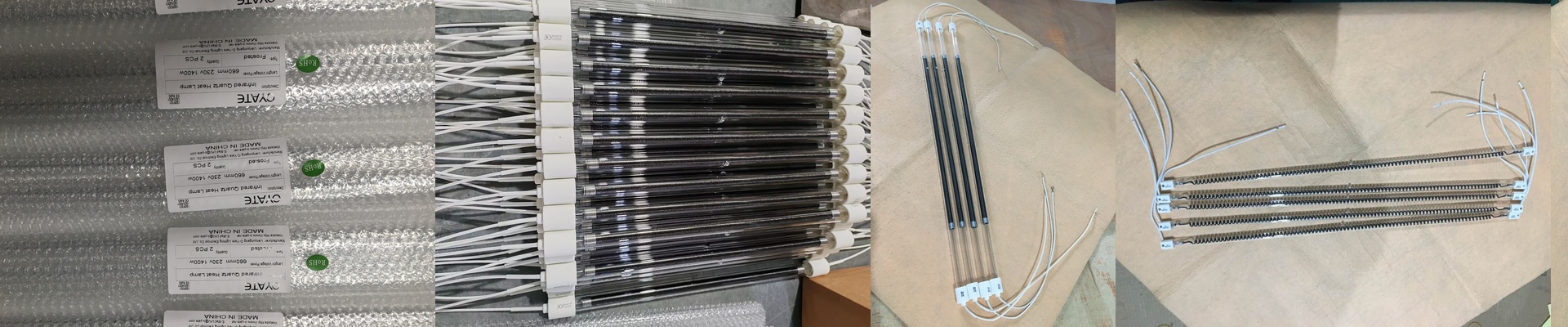
When you’re fixing smart home gear, you can’t just blast a circuit board with heat and hope for the best. Do that, and you’ll probably peel the board apart or fry a capacitor that was perfectly fine to begin with. That’s why we obsessed over the light spectrum of our heaters. We wanted something that hits the solder alloys directly, leaving the plastic housing alone.
The Trick to the Physics
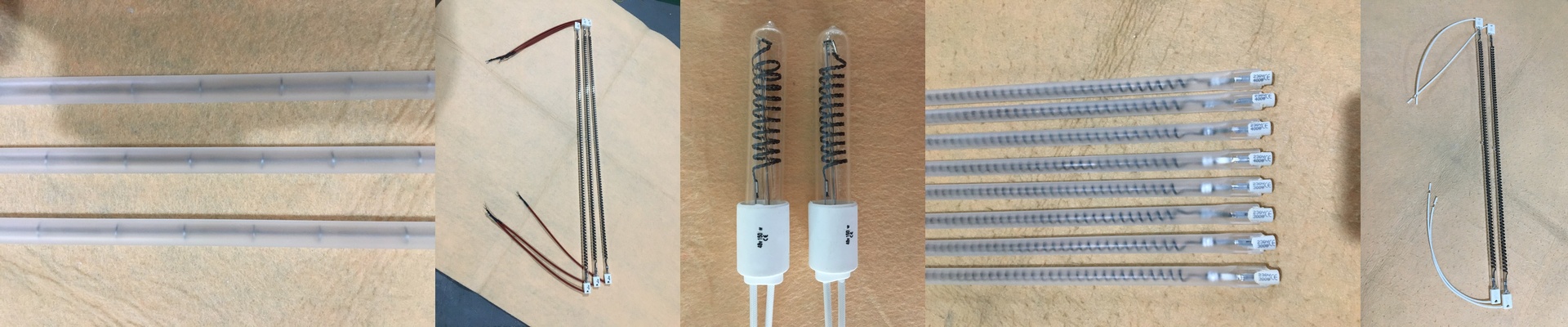
Most heaters just throw energy everywhere. It’s messy. We did things differently. By tweaking the filament and the gas inside, we shifted the peak emission to match exactly what the solder absorbs. Think of it as a sniper rifle instead of a shotgun. The energy goes straight into the joint rather than just heating up the air around it. It’s all about getting the photons to hit the right spot.
Speed and Control
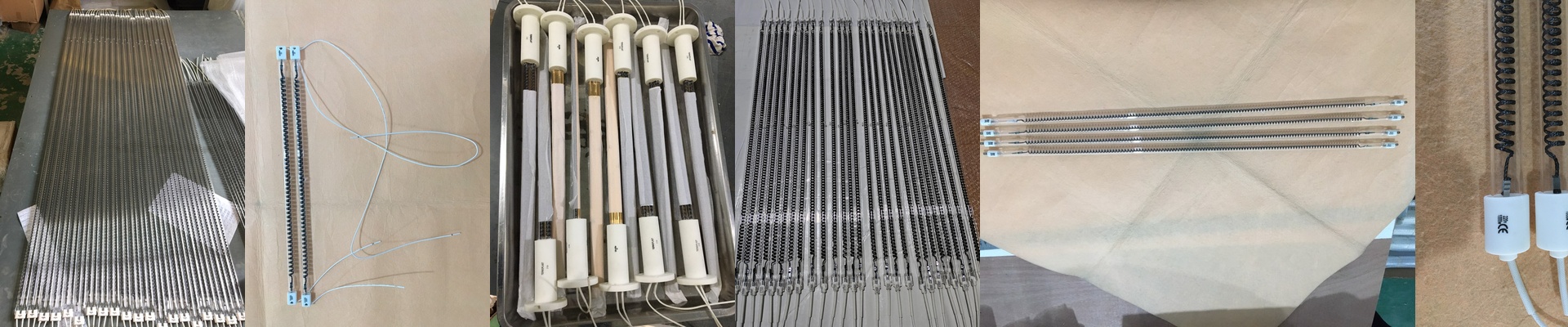
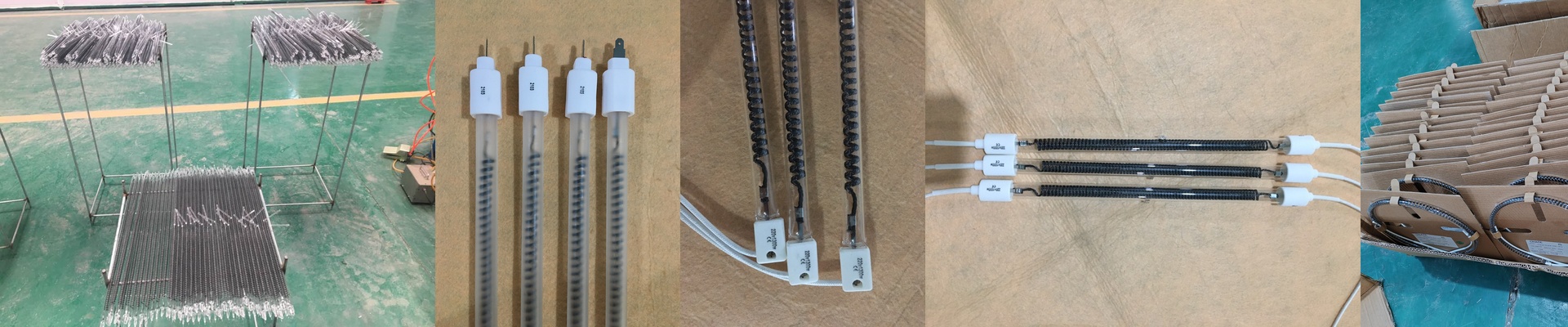
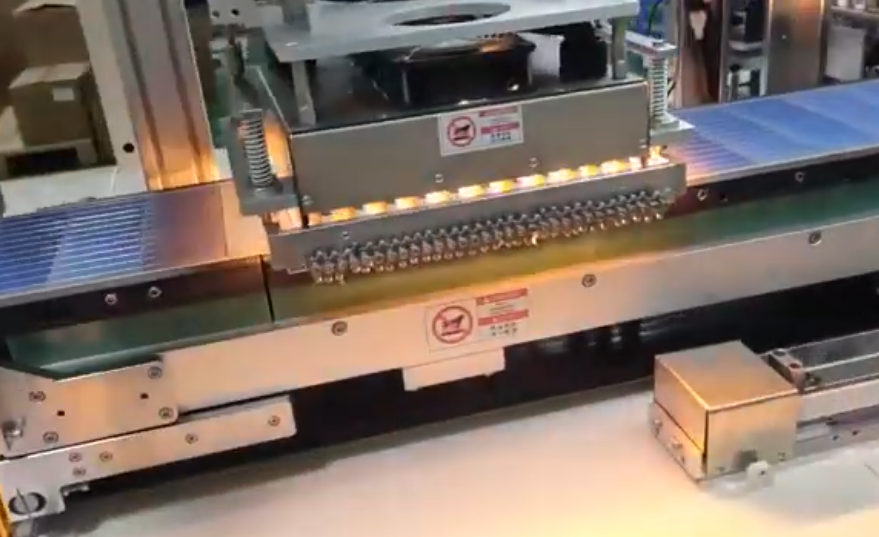
We built these things to ramp up fast. Like,really fast. Because the wattage density is so high, you hit reflow temperature in seconds. This gives you a tight thermal footprint, which is a fancy way of saying the heat doesn’t bleed into the rest of the device chassis. We also use high-grade quartz envelopes. If the quartz is cheap or impure, it absorbs the energy itself. That’s how you end up with a lamp that burns out way too soon.
The Trade-offs
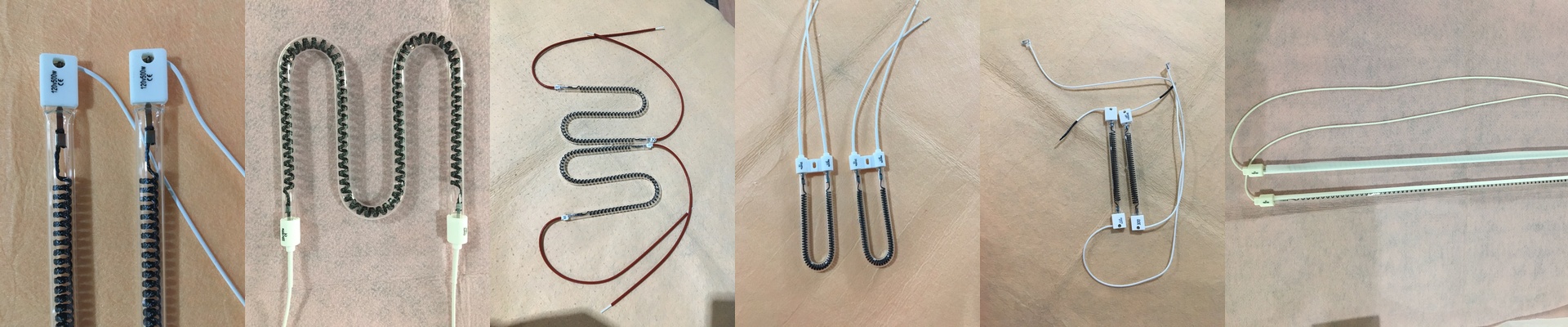
We kept the connectors standard, so these should slide right into your existing repair stations without any headache. But here’s the thing: pushing that much intensity through a narrow spectrum puts a lot of stress on the filament. You can’t just redline these things at 110% all day. To keep them from quitting on you, we suggest using a pulsed power cycle. It lets the component breathe and cool down between hits while still giving you that peak temp you need for the repair. Just make sure your power supply can handle the rapid switching, otherwise, you’re looking at some nasty voltage spikes.